
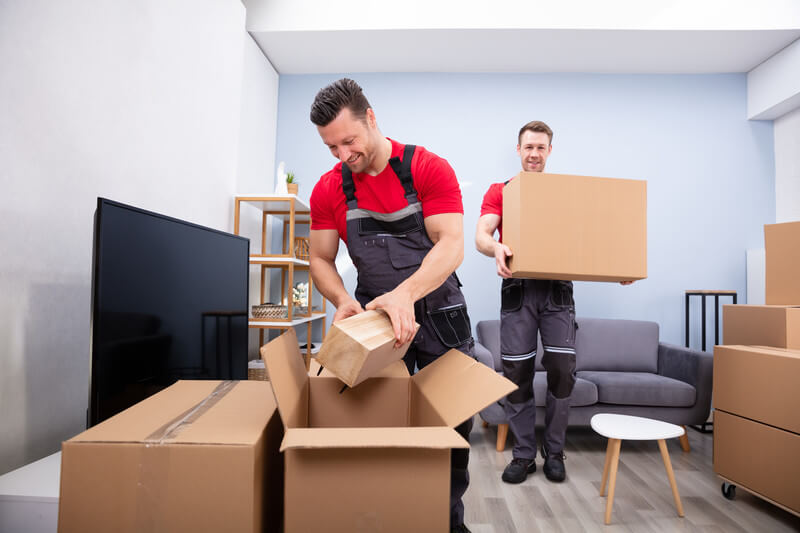
Many people assume that all moves follow the same process. In reality, local and long-distance relocations Proper packing is one of the most important parts of any successful move. When done correctly, it reduces the risk of damage, keeps your belongings organized, and makes unloading at your new home faster and more efficient. Here are ten essential tips to help protect your fragile items during transit.
1. Use Dish Packs for Kitchenware
Dish packs are specially designed boxes with extra thickness and dividers to protect plates, bowls, and glassware. Always place plates vertically (like records) instead of stacking them flat to reduce pressure.
2. Wrap Glass Items Individually
Each glass, mug, or decorative item should be wrapped separately using packing paper or bubble wrap. Avoid newspaper ink directly on delicate surfaces, and cushion the bottom of each box before loading items.
3. Use Wardrobe Boxes for Hanging Clothes
Wardrobe boxes protect clothing from wrinkles and dust. They also prevent delicate fabrics from being crushed during transport.
4. Protect TVs with Fitted Cartons
Flat-screen TVs require proper protection. Use original boxes if available or fitted TV cartons with foam inserts to prevent screen pressure and vibration damage.
5. Label Fragile Boxes Clearly
Clearly mark boxes as “FRAGILE” and indicate which side should remain upright. This ensures movers handle them with extra care.
6. Fill Empty Spaces to Prevent Shifting
Movement inside a box is one of the biggest causes of damage. Use packing paper, foam, or soft materials to fill empty spaces and keep items secure.
7. Use Mattress Covers
Mattress covers protect against dirt, moisture, and tears during loading and unloading. They’re inexpensive but make a big difference.
8. Disassemble Large Furniture
Taking apart large furniture pieces reduces stress on joints and prevents breakage. Wrap each component carefully before loading.
9. Keep Hardware in Labeled Bags
Place screws, bolts, and small hardware pieces in sealed, labeled bags and tape them to the corresponding furniture item. This makes reassembly simple and organized.
10. Separate Essentials for First-Night Access
Pack a clearly labeled “first-night box” with toiletries, chargers, medications, and basic kitchen supplies. This prevents unnecessary unpacking and reduces stress after a long moving day.